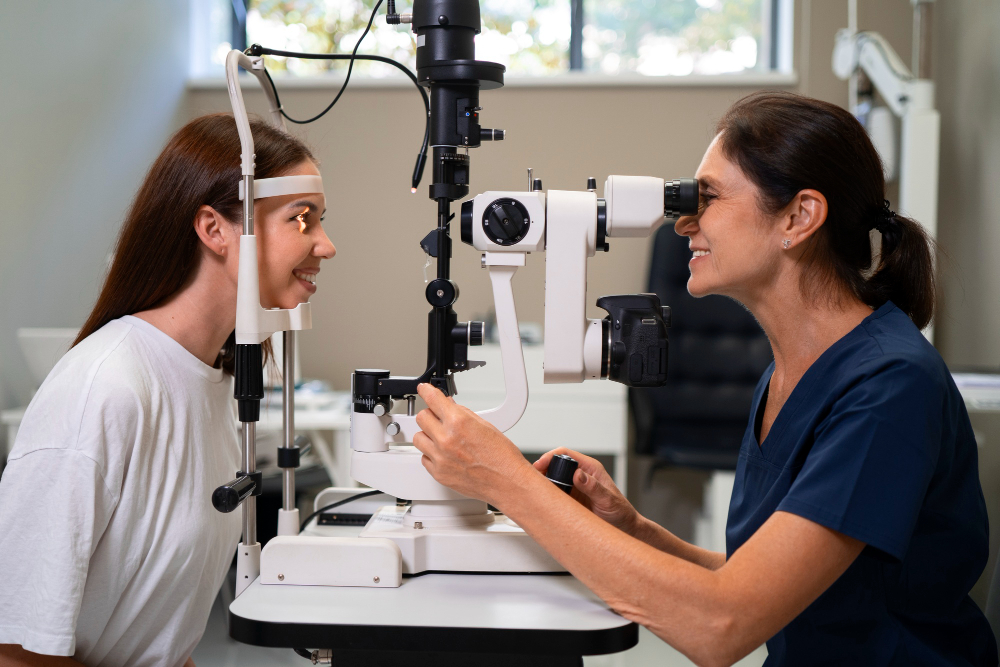
With an increasing focus on patient safety, clinical quality, and standardized care delivery, NABH accreditation for eye care organisations has become a strategic priority for eye hospitals, specialty eye clinics, and vision care centers across India. NABH accreditation not only enhances credibility but also ensures consistent, high-quality ophthalmic care aligned with national healthcare standards.
At Candour Solutions, a leading NABH consultant for eye care organisations, we support eye hospitals at every stage of their accreditation journey. This guide explains the NABH standards for eye hospitals, common challenges, and a clear implementation roadmap to achieve accreditation efficiently and confidently.
1. Overview of NABH Standards for Eye Care Organisations (ECO)
NABH standards for eye care organisations (ECO) are designed to ensure safe, ethical, and effective ophthalmic services. These standards apply to:
- Standalone eye hospitals
- Multispecialty hospitals with ophthalmology departments
- Eye clinics offering surgical and non-surgical services
The standards cover both clinical excellence and organisational governance, ensuring patient-centric care across all touchpoints, from registration to post-operative follow-up.
Key focus areas include:
- Patient rights and education
- Safe clinical practices
- Infection prevention and control
- Facility and equipment safety
- Continuous quality improvement
NABH assessors evaluate how well eye care organisations (ECO) integrate these standards into daily operations.
2. Key Clinical & Non-Clinical NABH Requirements
Clinical Requirements
Eye hospitals must demonstrate compliance in core clinical areas such as:
- Standardized ophthalmology treatment protocols
- Safe surgical practices (cataract, refractive, retinal surgeries, etc.)
- Pre-operative and post-operative care management
- Medication safety and error reporting
- Infection control in OT, OPD, and diagnostic areas
Clinical documentation consistency is critical during NABH assessments.
Non-Clinical Requirements
Non-clinical standards are equally important and include:
- Patient identification and consent processes
- Biomedical waste management
- Fire and electrical safety compliance
- Equipment calibration and maintenance
- Incident reporting and patient safety systems
Many eye hospitals underestimate non-clinical gaps, which often lead to NABH non-conformities.
3. Implementation Challenges in Eye Hospitals
Despite clinical expertise, many eye care organisations (ECO) face challenges during NABH implementation:
- Lack of structured documentation
- Limited staff awareness of NABH standards
- Difficulty integrating NABH processes into busy OPD workflows
- Inadequate internal audits and mock assessments
- Resistance to change from clinical and support staff
Without expert guidance, these challenges can delay accreditation or lead to repeated audit observations.
4. Step-by-Step NABH Implementation Strategy
A structured approach simplifies NABH accreditation for eye care organisations (ECO).
Step 1: Gap Analysis
Assess current practices against NABH standards for eye hospitals to identify compliance gaps in:
- Clinical workflows
- Infrastructure
- Documentation
- Patient safety systems
Step 2: Process & SOP Development
Create NABH-aligned:
- Clinical SOPs for ophthalmology services
- Administrative and safety policies
- Emergency and infection control procedures
Step 3: Infrastructure & Facility Alignment
Ensure compliance related to:
- Operation theatre zoning
- Sterilization areas
- Patient flow and accessibility
- Safety signage and emergency preparedness
Step 4: Staff Training & Awareness
Conduct structured training for:
- Doctors and surgeons
- Nursing staff
- Technicians and optometrists
- Front office and support teams
Training ensures staff understand not just what to do, but why it matters.
Step 5: Internal Audits & Corrective Actions
Perform regular internal audits to:
- Identify non-conformities
- Implement corrective and preventive actions (CAPA)
- Prepare teams for NABH final assessment
5. Documentation, Audits & Staff Training
Documentation is the backbone of NABH accreditation.
Essential NABH documents include:
- Policy manuals and SOPs
- Patient records and consent forms
- Audit and incident reports
- Equipment maintenance and calibration logs
- Training attendance and competency records
NABH assessors expect documentation to reflect actual practices, not just written policies. Continuous staff training ensures compliance is sustained beyond accreditation.
6. Benefits of NABH Accreditation for Eye Care Organisations (ECO)
Achieving NABH accreditation offers both clinical and business advantages:
- Improved patient trust and satisfaction
- Standardized, safer clinical outcomes
- Reduced medico-legal risk
- Better staff accountability and efficiency
- Enhanced reputation with insurers and corporates
- Readiness for expansion and multi-branch operations
For eye hospitals, NABH accreditation signals commitment to excellence and patient-centric ophthalmic care.
7. How Candour Solutions Supports End-to-End NABH Compliance
As an experienced NABH accredited consultant for eye care organisations, Candour Solutions provides comprehensive, hands-on support, including:
- NABH gap analysis and project planning
- Custom SOPs tailored to ophthalmology workflows
- Staff training and mock audits
- Documentation support and compliance tracking
- End-to-end coordination until NABH accreditation
Our practical, audit-focused approach helps eye hospitals achieve NABH accreditation with reduced audit risk, minimal disruption, and faster turnaround.
Start Your NABH Accreditation Journey with Confidence
NABH accreditation is not just a certification-it is a transformation toward safer, standardized, and patient-focused eye care. With the right strategy and expert guidance, eye care organisations can achieve accreditation smoothly and sustainably.
Contact us to start NABH Accreditation for Your Eye Care Organisation with Candour Solutions and take the next step toward clinical excellence and compliance readiness.
Recent Posts
-
 What Is a Near Miss Event? NABH Guidelines for Identifying and Reporting It in Hospitals
 -
Building and Biomedical Waste Management Approvals: A Guide for NABH Readiness
-
Top 5 Medication Management Challenges Faced by Clinics & How NABH Guidelines Solve Them
-
How Pharmacotherapeutic Committees Help Prevent Adverse Medication Errors in Hospitals
-
NABH Accreditation Standards for Eye Care Organizations & How to Implement Them Effectively