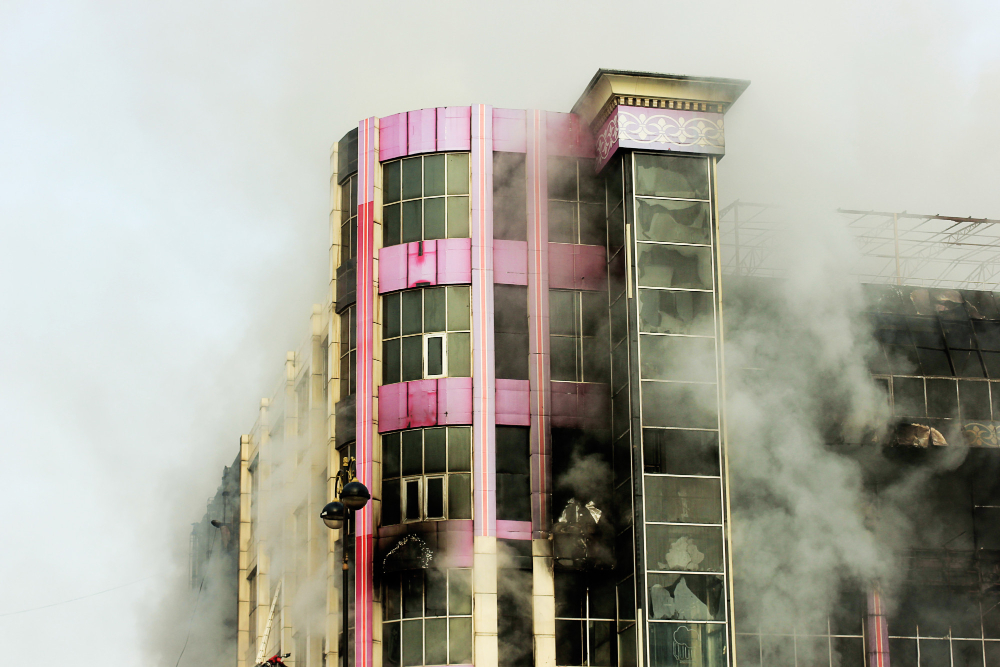
Creating a safe and compliant healthcare environment is one of the core pillars of NABH accreditation. For hospitals and clinics in Kerala, ensuring strong fire and safety measures is not just a regulatory requirement – it is a crucial step toward protecting patients, staff, infrastructure, and overall clinical reputation.
Among the statutory approvals needed for NABH accreditation, fire and safety clearance remains one of the most important. Without meeting these standards, a facility cannot demonstrate its readiness for emergencies or prove its commitment to patient safety.
This guide provides a complete fire and safety clearance checklist to help healthcare facilities in Kerala ensure full compliance with NABH requirements.
1. Why Fire and Safety Clearance Matters for NABH Accreditation
NABH (National Accreditation Board for Hospitals & Healthcare Providers) places strong emphasis on building safety, emergency preparedness, and risk management.
A healthcare facility that lacks proper fire and safety systems exposes patients – especially critical-care and immobile patients – to life-threatening risks.
Therefore, NABH makes fire and safety clearance a mandatory statutory requirement to ensure:
- Safe infrastructure
- Quick evacuation capability
- Disaster preparedness
- Protection of vulnerable patients
- Compliance with legal and quality standards
Hospitals and clinics in Kerala must obtain all fire and safety approvals before applying for NABH accreditation.
2. Understanding NABH Fire and Safety Standards
Fire safety comes under the Facility Management and Safety (FMS) of the NABH standards. The key objective of FMS guidelines is to reduce risk, maintain safe infrastructure, and ensure emergency readiness at all times.
Key NABH Fire & Safety Objectives:
- Risk reduction through proper fire prevention systems
- Emergency preparedness with equipped staff and escape routes
- Patient and staff safety through structured protocols
- Compliance with the National Building Code (NBC) and state fire department regulations
Every healthcare facility – irrespective of size – must demonstrate that its fire safety infrastructure meets these standards.
3. Fire and Safety Clearance Checklist for Hospitals & Clinics
Below is a practical, actionable checklist to help hospitals and clinics meet NABH statutory requirements:
- Approved Building Plan with Fire Exits
- Ensure your building plan is approved by the authorities.
- Clearly marked fire exits on each floor.
- Minimum width and unobstructed access as per NBC guidelines.
- Installation of Fire Detection & Alarm Systems
- Smoke detectors and heat sensors
- Fire alarm panels
- Audible and visible alarm systems for all zones
- Fire Extinguishers & Suppression Systems
- Adequate fire extinguishers in clinical, administrative, and high-risk areas
- Annual testing and refilling documentation
- Automatic sprinklers in critical and common areas
- Emergency Evacuation Routes
- Well-lit and clearly marked escape routes
- Evacuation maps are displayed prominently
- Wheelchair-friendly pathways
- Fire NOC (No Objection Certificate)
- Mandatory for NABH accreditation
- Issued by the local fire department after inspection
- Must be renewed regularly based on state guidelines
- Staff Fire Safety Training & Regular Fire Drills
- Conduct mock drills at least twice a year
- Maintain attendance and drill reports
- Training for operating extinguishers, alarms, and evacuation procedures
- Maintenance Records of Fire Safety Equipment
- AMC (Annual Maintenance Contract) documentation
- Inspection logs for alarms, sprinklers, and extinguishers
- Reports from external fire safety agencies
- Emergency Power Backup
- Generator or UPS to support lighting, alarms, and elevators
- Regular testing records
- Safety Signage Compliance
- Glow-sign emergency markers
- Exit signs
- Hazard warnings in sensitive zones
Hospitals must ensure all these elements are in place before submitting an NABH application.
4. Common Gaps Found During NABH Fire Safety Audits
Many healthcare facilities face challenges during NABH audits due to:
- Missing or outdated Fire NOC
A very common reason for non-compliance.
- Non-functional alarms or faulty extinguishers
Poor maintenance affects audit readiness.
- Incomplete staff training records
NABH requires documented evidence of all training.
- Poor evacuation planning
Unmarked exits, cluttered corridors, or incorrect signage often lead to audit failures.
- Insufficient documentation
Even if systems exist, lack of proof can lead to non-compliance.
5. How to Prepare for NABH Fire Safety Audit
To achieve a smooth audit experience, hospitals should:
- Conduct Internal Fire Safety Audits
Check every item in the NABH FMS checklist.
- Ensure Mock Drills Are Conducted Regularly
Document participation, scenarios, and outcomes.
- Update All Equipment Logs
Ensure AMC records, inspection dates, and testing reports are up to date.
- Keep All Statutory Documents Ready
Fire NOC, building plan approvals, equipment certificates, and training records.
- Address High-Risk Areas First
Electrical rooms, storage areas, oxygen plants, and kitchens need extra attention.
6. How Candour Solutions Helps Healthcare Facilities in Kerala
Candour Solutions supports hospitals and clinics throughout their NABH journey, especially in meeting fire and safety statutory requirements.
Our Services Include:
- End-to-end fire and safety compliance assistance
- Gap assessment and correction plans
- Preparation of all required NABH documentation
- Coordination with Kerala Fire Department for fire NOC
- Internal audits and mock drill planning
- Support until final NABH accreditation approval
Our experienced healthcare project consultants ensure your facility meets every FMS and fire safety requirement efficiently and on time.
Conclusion
Fire and safety preparedness is not just a mandatory requirement for NABH accreditation – it is a life-saving responsibility. Hospitals and clinics in Kerala must prioritize safety infrastructure, proper documentation, and emergency readiness to ensure patient safety and regulatory compliance.
If your healthcare facility is preparing for NABH accreditation, the right guidance can make the process smooth and stress-free.
Need Expert Help With Fire & Safety Compliance for NABH?
Contact Candour Solutions to ensure your hospital meets every safety requirement with confidence and ease.